
Today’s hectic lifestyles and high expectations mean that stress is inevitable for most people. Dealing well with the stresses of daily life, both professional and personal, is essential to mental well-being. Anxiety, despair, and even physical illness have all been linked to prolonged exposure to stress. The good news is that there are several proven methods of reducing stress that may have a profound effect on one’s emotional health. In this article, I’ll discuss ten stress-management strategies that may be easily integrated into your regular life.
1) Mindfulness-based meditation
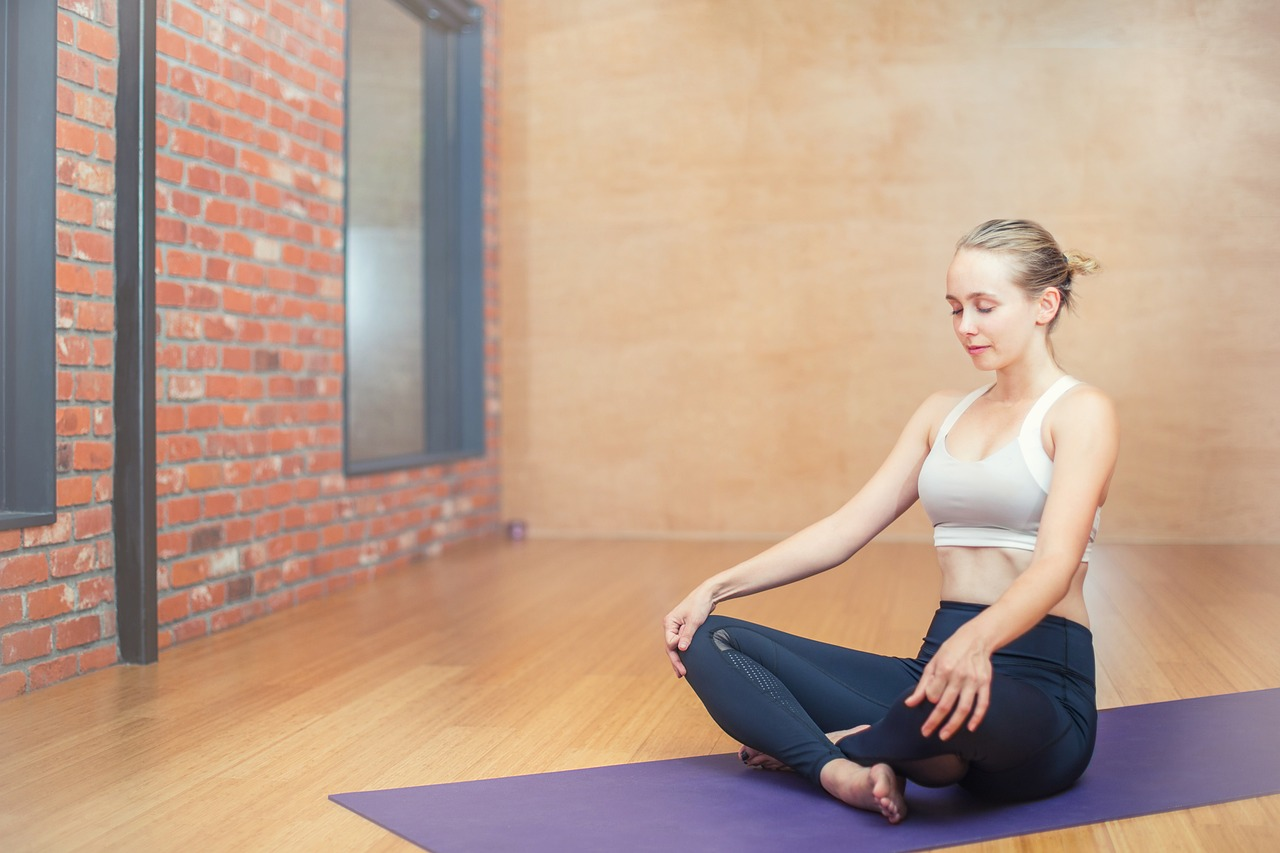
Concentrating on and accepting whatever thoughts or feelings arise while doing mindfulness meditation. Stress, anxiety, and sadness can all be alleviated with this method. By practicing mindfulness, you can focus on the present moment and avoid dwelling on the past or worrying about the future.
2) Deep Breathing Exercises

The relaxation response in the body can be triggered by doing deep breathing techniques like diaphragmatic breathing or the 4-7-8 technique (“breathing in for 4 seconds, holding the breath for 7 seconds, and exhaling for seconds”) These routines are known to have a calming effect by decreasing heart rate and blood pressure. A daily practice of deep breathing can have a significant effect on stress.
3) Regular* Physical Activity

Regular exercise, such as a brisk walk, yoga, or a session at the gym, produces endorphins, which have a calming effect on the brain. Physical activity has many positive effects on health, but it also boosts mental health by lowering stress hormones and facilitating better sleep.
4) Progressive Muscle Relaxation

The practice of progressive muscle relaxation entails contracting and then relaxing several sets of muscles. This method has been shown to reduce stress-related muscle tension. Consciously relaxing tight muscles and being more attuned to one’s body are both benefits of consistent practice.
5) Making Healthy Lifestyle Decisions


Diet, sleep, and the avoidance of stimulants like caffeine and alcohol all play important roles in stress management. Eating well and getting enough sleep equip your body with the tools it needs to deal with stress.
6) Social Support

If you’re feeling lonely or alone, talking to a friend, family member, or support group about how you’re feeling might help. The stress-reducing hormone dopamine is released in response to nurturing social interactions.
7) Time management

Feelings of being unable to cope can be avoided with careful time management. Separate larger activities into smaller ones, establish priorities, and schedule them accordingly. With this method, you may get more done in less time and feel less pressured by impending due dates.
8) Creative Channels


Painting, playing an instrument, writing, or gardening are all examples of creative pursuits that may help you release emotions that have accumulated and sharpen your mental abilities. Taking part in artistic activities might help you forget your worries and focus on the here and now.
9) Cognitive Behavioural Therapy (CBT)

CBT is an effective form of therapy that aids in the replacement of destructive thinking processes with more positive ones. Learning to question and alter unjustified assumptions is a path towards positivity and stress relief.
10) Spend Some Time Outdoors:


The sights and sounds of nature have a calming impact. Walking in the park or hiking in the mountains may both be great ways to relieve stress. The mind and body benefit greatly from exposure to nature, exercise, and fresh air.
The mental health benefits of incorporating this stress-reduction practice into your everyday life cannot be overstated. Keep in mind that consistency is essential. Identify which methods work best for you, and if your stress levels continue to rise despite your best efforts, consult a specialist. Taking preventative measures to deal with stress might pave the way to a healthier and more joyful existence.
Thank you for your response. ✨

 Blessing Njekwe